Autumn Budget 2026: What a New Prime Minister & Chancellor Mean for Your Business
A new Prime Minister. A new Chancellor. And a Budget landing earlier than any since 2021. If you run a business, this one is worth watching more closely than most.
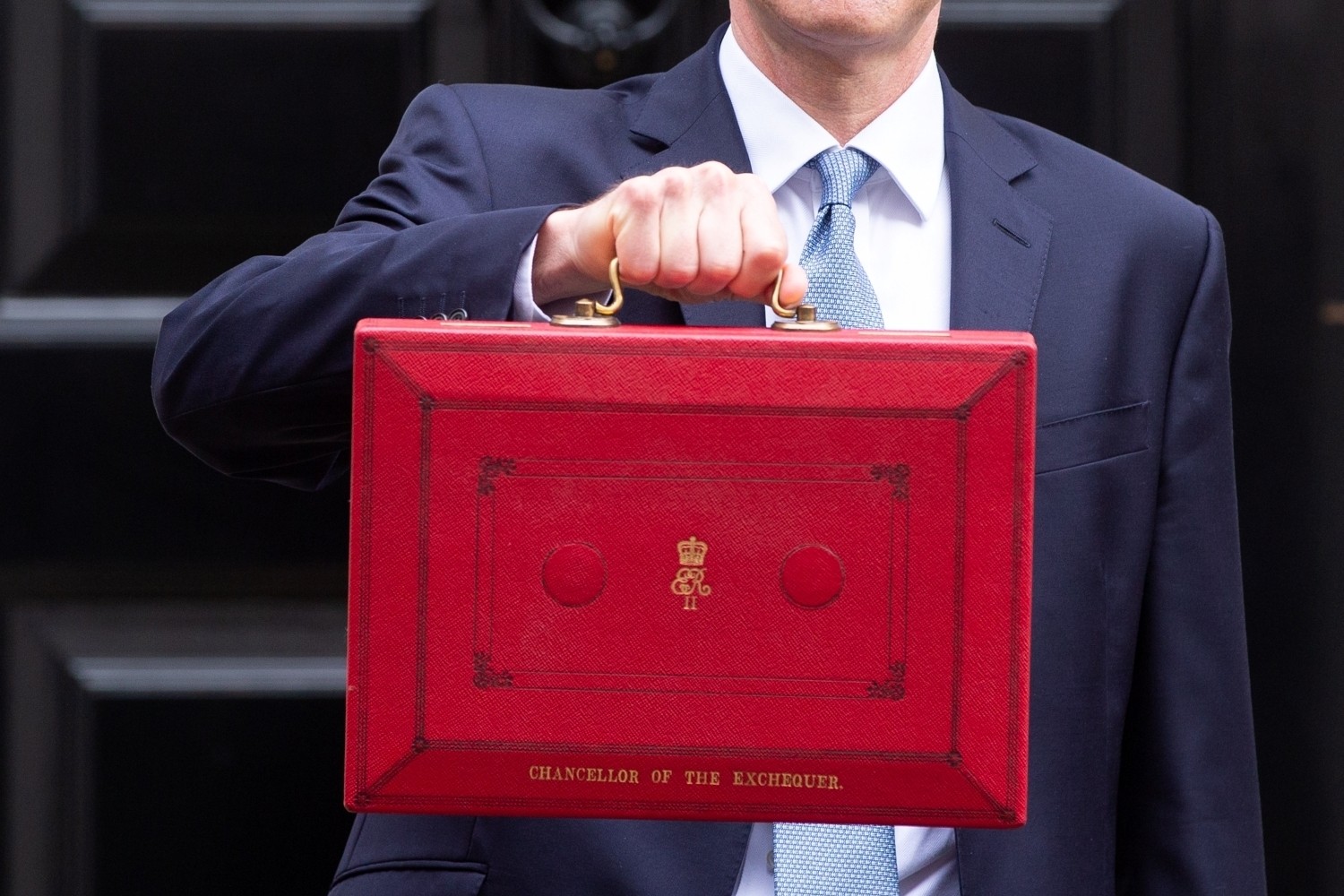
On 31st July, Chancellor John Healey confirmed that his first Budget will be delivered on Wednesday 28th October, the earliest Autumn Budget in five years and a full month earlier than last year’s. It comes only weeks after Andy Burnham became Prime Minister, which makes this a genuine first for both the top two jobs in the Treasury’s decision-making, not just a routine fiscal event.
In this article, we look at what’s been confirmed so far, why this Budget carries more weight than most, and what business owners should watch for on the day.
The date is confirmed, here’s what Healey said
Chancellor John Healey confirmed the date in a video message posted on HM Treasury’s channels, saying the Budget “moves money and power out of Westminster, and into every postcode around Britain”. He described it as built on fiscal discipline, said it would stay within the government’s fiscal rules, and framed the announcement as part of the new government’s wider effort to restore hope and back Britain’s communities in its first weeks in office.
That’s the framing. The detail, as always, comes on the day itself.
Why this Budget carries more weight than most
Every Budget matters to business owners, but a few things make this one different. It’s Healey’s first as Chancellor, and Burnham’s government has only been in office since 20th July, so this is the first real chance to see their economic priorities set out in full rather than announced piecemeal. Plus, given it’s so early, it means businesses have less time than usual between the announcement and needing to act on it.
First Budgets tend to matter more than most, too. When Rachel Reeves delivered her first Budget as Chancellor, roughly four in ten business owners told a subsequent sentiment survey that it had worsened their prospects, largely on the back of higher employer National Insurance costs. That history is part of why this one is being watched so closely before a single figure has been announced.
The fiscal backdrop shaping his choices
Healey isn’t starting with a blank sheet. Widely reported estimates put the fiscal gap he’s working with at somewhere between £22 billion and £24 billion, driven partly by inflation eroding the value of existing spending commitments and partly by continued pressure on defence spending. Unemployment has also stayed stubbornly high, which limits how much room the Chancellor has to manoeuvre without affecting growth.
At the same time, the government has repeated its manifesto pledge not to raise the headline rates of income tax, National Insurance or VAT for working people. Put those two things together and most independent forecasters expect the Chancellor to look for revenue elsewhere: threshold freezes, and targeted changes to reliefs, dividends, savings and property, rather than a straightforward rise in the main rates. Nothing here is confirmed, and Budgets are notorious for wrong-footing even careful predictions, so it’s worth treating all of this as informed speculation rather than settled fact.
What’s already been announced ahead of the day
The government has been laying groundwork for weeks rather than saving everything for Budget day. Announcements so far include a £2 cap on bus fares, a temporary removal of VAT from household electricity bills, and a business rates cut for pubs, clubs and live music venues from April 2027. Burnham has also confirmed that English mayors will get a share of income tax revenue collected in their areas, part of a wider push to shift decision-making away from Westminster, a theme we touched on when the change of Prime Minister was first confirmed.
There’s also a social care overhaul in the pipeline, with a promised national care service and closer integration with the NHS, and talk of extending railcard eligibility to the 31 to 59 age group, an option the government has described as being at a very early stage.
What to watch for on 28th October
A few areas are worth keeping an eye on. Burnham has said the personal allowance will be reviewed, though he’s stopped short of committing to change it, calling the decision difficult given the state of the public finances. Welfare policy looks set for tighter conditionality, with some support increasingly tied to taking up work, and Healey is expected to confirm targeted welfare spending cuts for the coming years.
On the business side, expect scrutiny of business rates, investment reliefs and employment costs, alongside the usual round of speculation about capital gains, dividend tax and property. Which? reports no signalled change to stamp duty or council tax at this stage, following speculation earlier in the summer about a land value tax replacing both. As ever, the safest approach is to plan around what’s currently in force rather than what might be announced, and revisit those plans once the detail is actually confirmed.
Ready for whatever lands on Budget Day
Whatever the detail turns out to be, the businesses that come out of Budget day in the best shape are usually the ones that went in already knowing their numbers.
If you’d like help understanding what the Autumn Budget could mean for your business, please get in touch. WCL provides accountancy and outsourced Finance Director support to help you plan ahead of the changes, whatever they turn out to be. We’d love to hear from you.